 VoomZone
State-by-State Insurance Rules: What Homeowners Must Know
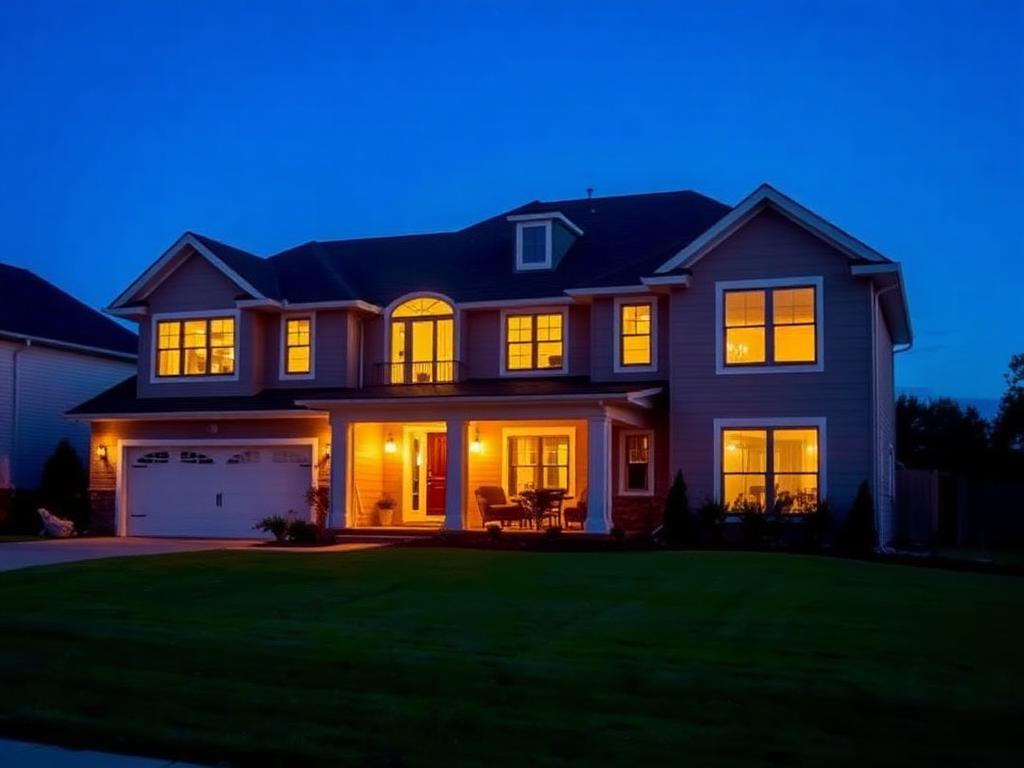
Navigate home insurance by state with our 2026 guide. Learn how regional weather risks and state-backed plans impact your home insurance by state coverage.
Insurance rules can change when you cross a state line.
So can your price. Your deductible. Your coverage options. Even your chance of finding a policy from a private insurance company.
That does not mean you need to become an insurance expert. It means you need to know which questions to ask before you buy or renew.
This guide is written for real people. It explains how home insurance by state in 2026 may differ based on local rules, weather risks, state-backed insurance programs, and your home’s location.
It is educational information. Not a personalized recommendation. A licensed agent must review your home, state, property details, and current policy before recommending coverage.
What changes by state?
Homeowners insurance is not one national product with one national rulebook.
Each state has its own insurance department. That department oversees how insurance companies operate in the state. It may review rate filings, monitor cancellations and non-renewals, publish consumer resources, and manage complaint processes.
State rules can affect:
How insurers request rate changes.
How much notice you receive before a non-renewal.
Whether a hurricane or wind deductible is allowed.
How insurers handle roof age and condition.
What consumer appeal options are available.
Whether the state offers a last-resort insurance program.
Which building improvements may qualify for discounts.
Your mortgage lender may also set requirements. In general, lenders want you to carry enough coverage to protect the home securing the loan. That is a contract requirement between you and your lender. It is different from a state law requiring every homeowner to buy insurance.
Your policy may also need to satisfy local rules. For example, a coastal home, an older home, or a property in a wildfire area may require additional inspections, documentation, or safety improvements.
Ask before you sign. Small details can have a large effect on your out-of-pocket cost after a loss.
Weather matters
Where you live strongly affects how insurers price and offer homeowners coverage.
A home in coastal Florida faces different risks from a home in Oklahoma, Vermont, California, or Washington. The policy may look similar at first. The terms underneath may be very different.
Regional risks can affect:
Premiums.
Deductibles.
Roof requirements.
Coverage availability.
Repair and rebuilding costs.
Eligibility for discounts.
The use of state-backed insurance options.
Coastal states
Florida, Texas, Louisiana, Mississippi, Alabama, Georgia, South Carolina, North Carolina, Virginia, Connecticut, and Delaware can face hurricanes, tropical storms, wind, storm surge, and flooding.
A policy in one of these states may include a separate hurricane, named-storm, or wind deductible. It may be a percentage of your home’s insured value instead of a flat dollar amount.
Here is the difference:
A $2,500 deductible is a fixed amount.
A 2% deductible on a home insured for $300,000 is $6,000.
A 5% deductible on that same home is $15,000.
The percentage may apply only to certain types of damage. Read the policy carefully. Ask when the special deductible applies and whether it applies to the building, personal property, or both.
Coastal homes may also face:
Roof-age limits.
Wind-mitigation inspection requirements.
Stricter rules for shutters, windows, and roof connections.
Separate windstorm coverage.
Separate flood insurance.
Fewer private insurance options.
In Florida, homeowners may encounter Citizens Property Insurance Corporation, a state-created option for property owners who cannot find suitable coverage in the private market. It is designed as a backup, not automatically as the cheapest choice. Coverage may also be more limited than what you would receive from a private policy.
Tornado and hail states
Oklahoma, Kansas, Nebraska, Iowa, Missouri, Arkansas, Texas, Colorado, South Dakota, and parts of nearby states regularly face severe thunderstorms, tornadoes, straight-line winds, and hail.
In these areas, the roof often receives extra attention.
An insurer may ask:
How old is the roof?
What material is it made from?
Has it been repaired?
Is it designed to resist wind or impact?
Does the policy pay full replacement cost or a reduced amount for an older roof?
Is there a separate wind or hail deductible?
A roof that looks acceptable from the ground may still need an inspection. A policy may also contain special terms for cosmetic hail damage or matching materials.
Do not focus only on the monthly price. A lower price may come with a higher hail deductible or more limited roof coverage.
Wildfire states
California, Colorado, Oregon, Washington, Idaho, Montana, Nevada, Utah, and Arizona contain areas where wildfire risk can affect insurance availability.
Insurers may review:
The distance between your home and nearby vegetation.
The condition of your roof and siding.
Access for emergency vehicles.
The slope of the land.
Nearby brush or unmanaged trees.
Whether the property has defensible space.
Local fire protection resources.
Some homeowners in high-risk areas may be placed in a state-backed or last-resort program. California’s FAIR Plan is one example of a state-supported option for some properties that cannot obtain regular coverage.
These programs can help make coverage available. They may not provide the broadest protection. You may need separate coverage or an additional policy for certain risks.
Ask whether your policy covers smoke damage, debris removal, temporary living expenses, and rebuilding costs. Ask what happens if updated building codes make repairs more expensive.
Northeast and Mid-Atlantic states
Maine, New Hampshire, Vermont, Massachusetts, Rhode Island, Connecticut, New York, New Jersey, Pennsylvania, Maryland, Delaware, Virginia, and West Virginia may face winter storms, ice, freezing pipes, wind, heavy rain, coastal storms, and occasional hurricanes.
Older homes are common in many parts of this region. That can affect eligibility and price.
Insurers may ask about:
The age and condition of the roof.
Electrical and plumbing updates.
Heating equipment.
Chimneys and fireplaces.
Basement water protection.
Tree maintenance.
Whether the home is occupied year-round.
Water backup coverage is often an optional addition. It may help with certain losses involving sump pumps or backed-up drains. It is not the same as flood insurance.
If you live near the coast, ask whether your policy includes a named-storm deductible. If you live in a snowy area, ask about ice dams, frozen pipes, and roof collapse terms.
Midwest and Great Lakes states
Minnesota, Wisconsin, Michigan, Illinois, Indiana, Ohio, Kentucky, Tennessee, and nearby states may face freeze damage, hail, tornadoes, severe storms, heavy snow, and flooding.
A standard home policy may cover some sudden water damage from a burst pipe. It may not cover poor maintenance, gradual leaks, or damage caused by unresolved wear and tear.
You should also ask about:
Sewer and drain backup.
Ice dam damage.
Hail deductibles.
Roof replacement terms.
Detached garages and other structures.
Replacement cost for personal belongings.
Additional living expenses if the home becomes unlivable.
Flood damage is usually not covered by a standard homeowners policy. The Federal Emergency Management Agency’s FloodSmart program explains that flood insurance is separate and that flooding can happen outside areas commonly considered high risk.
What are state risk pools?
A state risk pool is a backup option for people who cannot find coverage in the regular private market.
The name differs by state. You may hear terms such as:
FAIR Plan.
Citizens plan.
Wind pool.
Beach plan.
Find the right insurance agent
Get matched with a licensed independent agent — free, fast, no pressure.
Residual market plan.
State-backed property insurer.
These programs help protect access to insurance when private companies limit new business or decline certain properties.
They are not always cheaper. They may also offer narrower coverage, higher deductibles, or lower limits. Some homeowners use a state-backed plan for basic property protection and buy separate coverage for other risks.
If you are offered a state-backed option, ask:
What does the policy cover?
What does it exclude?
Is wind covered?
Is water damage covered?
Is personal property covered?
Is temporary housing covered?
What are the deductibles?
Can a private agent help you find broader coverage?
What must you do to move back into the private market?
Do not assume a risk pool is your only option. The market can change. A local agent can check private carriers, state programs, and available alternatives.
What should you check in 2026?
Rules and insurance markets can change during the year. Before you buy or renew, review these details.
Check the deductible
Do not stop at the number on the declarations page. Ask whether your policy has separate deductibles for:
Wind.
Hail.
Hurricanes.
Named storms.
Earthquakes.
Wildfires.
Know whether the deductible is a flat amount or a percentage of the home’s insured value.
Check the roof terms
Your roof may be one of the most important factors in your policy.
Ask whether the policy pays:
Full replacement cost.
The roof’s actual cash value after depreciation.
A limited amount based on age.
Only for certain types of damage.
Also ask whether the insurer requires a roof inspection or proof of repairs.
Check what is not covered
A home policy does not cover every possible loss.
Common gaps may include:
Flood damage.
Earthquake damage.
Wear and tear.
Maintenance problems.
Certain water backup losses.
Some types of mold damage.
Business activity conducted at home.
High-value jewelry, art, or collectibles above policy limits.
You may be able to add coverage. You may need a separate policy. Ask a licensed agent before assuming you are protected.
Check rebuilding cost
Your home’s market value is not the same as its rebuilding cost.
Rebuilding cost may depend on:
Local labor rates.
Materials.
Debris removal.
Building code updates.
Specialty construction.
The size and design of the home.
Access to the property.
A local agent can help you review the estimate. Do not choose a limit only because it matches your purchase price or tax assessment.
Check your state’s consumer resources
Every state has an insurance regulator. Look for official information about:
Homeowners insurance complaints.
Rate changes.
Cancellation and non-renewal rules.
State-backed insurance plans.
Storm deductibles.
Disaster preparation.
Consumer assistance.
Rules can be detailed. They can also change. Verify the current information for your state before making a coverage decision.
Why find a local insurance agent?
A local independent agent understands the conditions insurers are reviewing in your area.
That may include coastal construction, hail damage, wildfire mitigation, older homes, freeze protection, or local rebuilding costs.
An independent agent can compare options instead of representing only one insurance company. Depending on your state and situation, VoomZone agents shop carriers including Progressive, State Farm, Allstate, Liberty Mutual, Nationwide, Travelers, Chubb, and Hartford.

VoomZone is an independent insurance marketplace and matchmaker. We connect you with licensed independent agents across 155+ non-health insurance lines, including home, auto, life, business, pet, and specialty coverage.
VoomZone is:
Licensed in all 50 states.
Connected to more than 1,200 vetted independent agents.
Responsible for more than 45,000 policies matched this year.
Free for you, always.
Built around real person support.
VoomZone is not a carrier. We do not underwrite or issue your policy.
VoomZone is not a call center. You are matched with a real licensed agent.
VoomZone is not a roll-up agency. We do not replace local agency relationships with one centralized insurance office.
We are also not a digital-only quote platform. The goal is to connect you with a local person who can explain the details, compare available options, and help you when questions arise.
Read the VoomZone home coverage guide to review common types of property protection. You can also use the local agent directory to browse agents by state.
What does VoomZone not offer?
VoomZone focuses exclusively on 155+ non-health insurance lines. VoomZone does not offer health insurance, ACA plans, or health-related services.
For homeowners, that means the conversation stays focused on property protection and related coverage needs, such as homeowners, renters, condo, landlord, personal liability, umbrella, flood coordination, and specialty property coverage.
Your matched agent can explain what is available in your state. They can also tell you when a separate policy or endorsement may be needed.
How do you prepare for a state-specific review?
Gather a few details before speaking with an agent:
Your property address.
The year your home was built.
The age and material of your roof.
Recent renovations.
The replacement cost estimate, if available.
Your current declarations page.
Any prior claims.
Detached structures on the property.
Security and fire-protection features.
Flood, wildfire, wind, hail, or earthquake concerns.
Any valuable belongings that need special limits.
You do not need every answer before you start. The more accurate the information, the more useful your quote will be.
If you are moving, start early. Insurance availability and price can affect your home-buying budget. A policy may also be required before closing.
Get your rate in 60 seconds
Do not guess what your state requires. Ask.
VoomZone can match you with a licensed independent agent in your state who understands local risks and shops available coverage options.
The form takes about 60 seconds. It is free for you, always. No obligation.
Your agent can help you review deductibles, roof terms, state-backed options, coverage gaps, and bundling opportunities. When auto and home are bundled, VoomZone customers save an average of $842 per year.
For more help after a loss, read How to Handle a Denied Insurance Claim. If you live in a storm-prone area, review 2026 Hurricane Insurance Prep: Protect Your Home.
Final check
Home insurance by state in 2026 is shaped by more than a ZIP code.
State rules affect how insurance companies operate. Weather hazards affect price and availability. Risk pools may provide a backup when private coverage is difficult to find. Your lender may set its own requirements.
You do not have to sort through every detail alone.
Check the deductible. Review the roof terms. Ask about flood, wind, hail, wildfire, and earthquake gaps. Then speak with a licensed local agent who can explain your options in plain English.
That is the value of finding local insurance agents. A real person can help you understand what your policy does before you need it.
Find the right insurance agent
Get matched with a licensed independent agent — free, fast, no pressure.
Related articles

